Understanding the Tutu Store Landscape
The world of tutus is not just a whimsical wardrobe choice for little girls; it represents a thriving niche market in the dancewear and specialty clothing industry. From professional ballet to children's parties, the tutu store offers a diverse range of products tailored to various audiences. With the growing interest in dance and performance arts, understanding the current market dynamics is crucial for retailers aiming to carve out a niche in this competitive landscape.
Market Trends and Insights
As of 2026, the tutu market is experiencing significant growth driven by several key trends. The popularity of dance classes for toddlers and young children has surged, leading to increased demand for tutus and dancewear. Additionally, the rise of social media platforms has enabled diverse forms of marketing and increased visibility for tutu brands. Companies are leveraging user-generated content and influencer partnerships to build authenticity and trust with potential customers.
Moreover, sustainability is becoming an essential factor in consumer purchasing decisions. Many shoppers are now seeking eco-friendly options, prompting tutu retailers to explore sustainable materials and practices. Brands that align with these values are likely to gain a competitive edge in the market.
Common Challenges for Tutu Retailers
Despite the promising trends, tutu retailers face several challenges that can impede their growth. One significant issue is the saturation of the market, with numerous players entering the space, making it difficult to stand out. Retailers must invest in unique product designs, exceptional customer service, and effective marketing strategies to attract and retain customers.
Additionally, inventory management can be a hurdle, as the demand for specific styles can fluctuate based on seasonal trends and regional dance competitions. Retailers must be agile, adjusting inventory to meet changing customer preferences while avoiding excess stock.
Target Audience Identification
Identifying and understanding the target audience is key to the success of any tutu store. This demographic typically includes parents of young dancers, dance instructors, and schools. However, it's also essential to cater to hobbyists and adult dancers seeking tutus for performances and costume events. By segmenting the audience and tailoring marketing efforts for each group, retailers can enhance engagement and drive conversions.
Creating an Exceptional Shopping Experience
Creating a memorable shopping experience can significantly impact customer satisfaction and loyalty. A well-designed store layout, combined with captivating product presentation, can entice customers to explore more and increase their purchasing behavior.
Store Layout and Design Principles
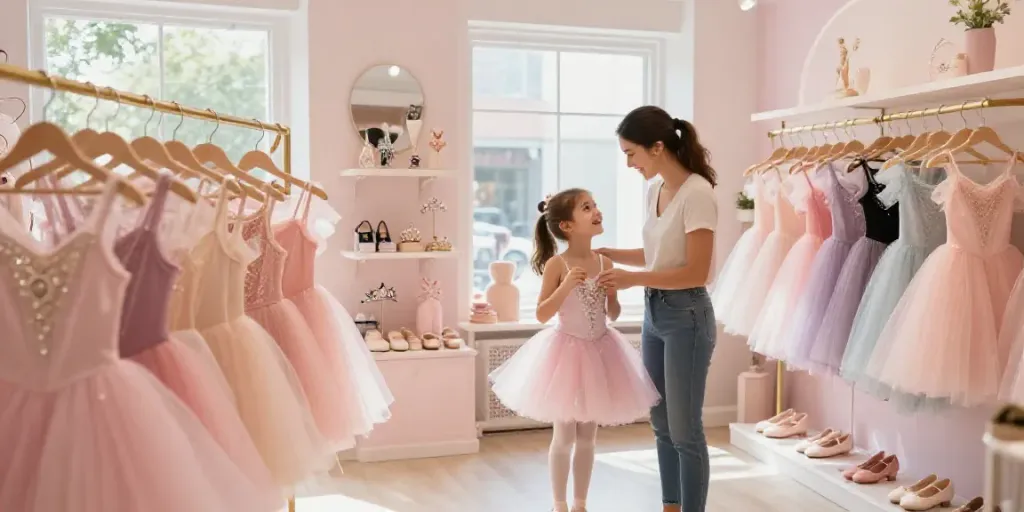
The physical layout of a tutu store should facilitate a seamless shopping experience. Key design principles include creating an inviting atmosphere that showcases products effectively. Utilizing bright colors, soft lighting, and fun decor elements can enhance the whimsical nature of tutus. It's important to ensure that the store is well-organized, with clear signage directing customers to specific sections, such as toddler tutus, adult sizes, and accessories.
Product Presentation Techniques for Tutus
How a product is presented can make a significant difference in customer interest. Retailers should consider using mannequins to showcase tutus in action, allowing customers to visualize how they might look when worn. Additionally, ensuring that each product is well-tagged with detailed descriptions—such as size, material, and care instructions—helps facilitate informed purchasing decisions.
Customer Engagement Strategies in Retail
Engaging customers beyond the point of sale can foster loyalty and encourage repeat visits. Retailers can implement workshops or classes, teaching customers how to choose the perfect tutu or even how to create their unique dancewear. By creating community-oriented events, stores will not only promote their products but also establish themselves as vital parts of the local dance ecosystem.
Effective Marketing Tactics for Your Tutu Store
In a saturated market, effective marketing strategies are crucial for distinguishing your tutu store from competitors. Building a strong online presence, utilizing social media, and engaging in collaborative marketing efforts can significantly influence customer perceptions and drive sales.
Leveraging Social Media for Brand Awareness
Social media serves as a powerful tool for reaching potential customers. Platforms like Instagram and TikTok are particularly effective for visually-driven products like tutus. Retailers should focus on creating aesthetically pleasing content that showcases their products, including user-generated content and testimonials from satisfied customers. Engaging with followers through polls, giveaways, and contests can also enhance brand visibility and foster community interaction.
Email Marketing Campaigns to Drive Sales
Email marketing remains an effective method for maintaining customer relationships and driving repeat business. By collecting customer emails through newsletters or exclusive offers, retailers can send targeted promotions, new product announcements, and personalized recommendations directly to their audience. Segmenting email lists based on customer preferences can increase the relevancy of the content, leading to higher open and conversion rates.
Collaborations with Local Dance Schools
Partnering with local dance schools can create mutually beneficial relationships. Offering exclusive discounts to students or collaborating on events can help retailers tap into a dedicated audience. Additionally, providing dance instructors with opportunities to showcase their students wearing tutus can enhance brand exposure and credibility within the dance community.
Building Customer Loyalty and Retention
Customer loyalty is invaluable in the retail industry. By implementing strategies that focus on building lasting relationships, tutu stores can increase their chances of repeat business and referrals.
Implementing Reward Programs
Establishing a customer loyalty program can incentivize repeat purchases. Offering points for every dollar spent, birthday discounts, or referral bonuses can encourage customers to return to the store. Make sure to promote the program both in-store and online for maximum participation.
Personalized Shopping Experiences
Personalization in retail has become increasingly important. Utilizing customer data to offer tailored recommendations based on previous purchases can enhance the shopping experience. Furthermore, sending personalized communications, such as thank-you notes or birthday wishes with special offers, can create a sense of connection and value among customers.
Gathering and Addressing Customer Feedback
Listening to customer feedback is essential for continuous improvement. Regularly soliciting feedback through surveys or product reviews can help retailers understand their strengths and areas for growth. It's crucial to act on this feedback, making necessary adjustments to products or services, to showcase to customers that their opinions are valued.
The Future of Tutu Stores in 2026
As we look ahead to 2026, the future of tutu retailing will be influenced by evolving consumer behaviors and technological advancements. Adapting to these changes will require innovation and foresight.
Adapting to E-Commerce Trends
The growth of e-commerce has surged, particularly following the pandemic. Tutu retailers must invest in robust online platforms that are user-friendly, providing seamless shopping experiences including virtual fitting guides and high-quality product images. Offering options such as free shipping, easy returns, and click-and-collect services can meet modern consumer expectations and boost online sales.
Integrating Sustainable Practices
With sustainability becoming a significant factor in consumer choices, tutu stores that prioritize eco-friendly practices in sourcing and production will likely stand out. From using recycled materials for packaging to offering a selection of sustainably made products, retailers can appeal to environmentally conscious consumers.
Anticipating Customer Needs Through Innovation
As trends evolve, staying ahead of the curve is essential. Retailers should continuously research and innovate, looking for new styles, colors, and fabrics that resonate with their audience. Embracing technology, such as augmented reality for virtual try-ons, can enhance customer engagement and streamline the shopping experience.
What are the best tutu styles for competitions?
When it comes to ballet competitions, styles that feature intricate designs, varying layers, and vibrant colors can make a dancer stand out. It's essential to consider the specific requirements of each competition for attire.
How can I find a tutu store near me?
Searching online can yield a list of local tutu stores. Utilizing mapping services can also provide directions and customer reviews to help in your decision.
What age groups are tutus suitable for?
Tutus are versatile and suitable for all age groups—from infants to adults—each requiring different styles and sizes. Retailers should provide a broad selection to accommodate this wide demographic.
Are there online tutu stores with free shipping?
Many online tutu stores offer promotional free shipping options, especially on orders above a certain amount. Checking store policies before purchasing can help customers save on shipping costs.
How to care for and maintain a tutu?
Proper care for a tutu is crucial in maintaining its shape and appearance. Most tutus can benefit from gentle washing and careful storage to avoid damage.