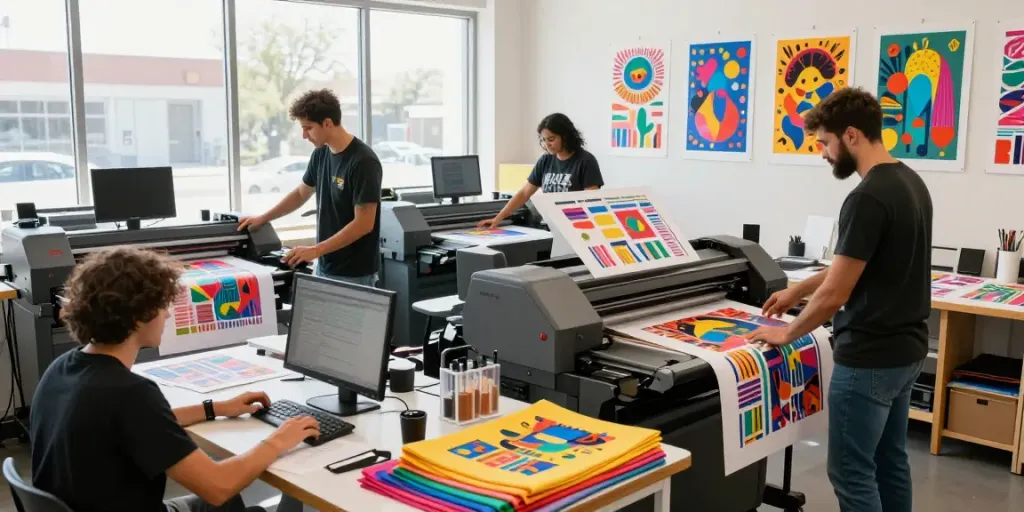
Understanding the Basics of DTF Gang Sheets
In the ever-evolving world of textile printing, DTF (Direct to Film) gang sheets have emerged as a revolutionary method for bringing vibrant designs to life on various fabrics. This innovative technique allows for the simultaneous transfer of multiple designs on a single sheet, making it an efficient solution for businesses and creators looking to optimize their production. By leveraging this technology, users can create high-quality prints that are ready to press onto garments with ease. When exploring options, DTF gang sheet offer a streamlined approach, combining quality with convenience.
What is a DTF Gang Sheet?
A DTF gang sheet is a large transfer sheet that can accommodate multiple designs printed on a single film. This method utilizes special inks that adhere to a wide range of fabrics, allowing for crisp, vivid prints that are durable and long-lasting. The process involves printing designs onto a film, which is then coated with a special adhesive powder before heat pressing onto the desired material. This not only saves time but also reduces the material costs associated with individual transfers.
Key Benefits of Using DTF Gang Sheets
- No Minimums: Many shops, including Printer Boyz, cater to small orders with no minimum quantity required, making it ideal for startups and custom projects.
- Fast Turnaround: DTF gang sheets can be produced rapidly, allowing for quick delivery times, often within a day or two, to meet urgent client demands.
- High Versatility: Suitable for various fabrics including cotton, polyester, and blends, DTF prints work well for t-shirts, hoodies, and other merchandise.
- Cost-Effective: By consolidating multiple designs on a single sheet, users minimize waste and optimize printing costs while maximizing creativity.
Common Applications for DTF Gang Sheets
DTF gang sheets are increasingly popular across various industries. Here are some common applications:
- Fashion Brands: Clothing labels use gang sheets for branding and promotional items, streamlining their production process.
- Event Merchandise: Events often require customized apparel; DTF gang sheets make it easy to print event-specific designs quickly.
- Small Business Runs: Entrepreneurs looking to launch their own clothing lines benefit from the flexibility of DTF gang sheets without hefty upfront costs.
- Graphic Designers: Digital artists can utilize the gang sheets to print their artworks onto various fabric types, enhancing their product offerings.
Step-by-Step Guide to Creating Your DTF Gang Sheet
Creating an effective DTF gang sheet requires careful planning and execution. Here’s a detailed guide to help you through the process.
Choosing the Right Design Software
The first step in creating a DTF gang sheet is selecting the appropriate design software. Tools like Adobe Illustrator, CorelDRAW, and even free options like Inkscape allow designers to create scalable vector graphics (SVG) that maintain high quality during printing. Ensure the software you choose supports the specific file formats needed for DTF printing.
Preparing Your Artwork for Printing
Once your design is ready, you'll need to prepare your artwork for printing. This includes:
- Ensuring all colors are set to CMYK mode as this is essential for accurate color reproduction.
- Utilizing high-resolution images to prevent pixelation in the final print.
- Arranging artwork elements efficiently on your template to maximize space on the gang sheet.
Best Practices for Layout and Design
A well-designed gang sheet layout can significantly impact printing efficiency. Consider these best practices:
- Group similar designs together to reduce setup time.
- Leave adequate space between designs to prevent ink bleeding during the transfer process.
- Test prints on similar fabric types to ensure that color accuracy and design integrity are maintained.
Optimizing Production Workflow for DTF Printing
To enhance productivity, optimizing your production workflow is crucial. Here are some strategies:
Setting Up Your Printing Equipment
Ensure your DTF printing equipment is properly calibrated for optimal results. Regular maintenance and updates to your printer's software can help avoid common printing issues and ensure high-quality outputs.
Integrating Automation in Your Printing Process
Incorporating automation tools can streamline your workflow significantly. Automated job management systems can track orders and automate inventory management, thereby reducing time spent on manual processes.
Streamlining Order Management and Fulfillment
Utilize software that integrates seamlessly with your DTF printing operations to streamline order management. Employing a centralized system allows for better tracking of customer orders, ensuring timely delivery and enhanced customer satisfaction.
Quality Control and Troubleshooting in DTF Printing
Maintaining high standards in print quality is essential for customer satisfaction. Implement a robust quality control process to monitor each production stage.
Assessing Print Quality Standards
Establish clear quality benchmarks that your prints must meet. Regularly revisiting these standards can help maintain consistency and quality across all products.
Common Issues and How to Fix Them
Even with the best practices, issues can arise. Here are some common problems and their solutions:
- Print Fading: Ensure your inks are compatible with your printing process and that optimal curing times are being followed.
- Inconsistent Colors: Regularly calibrate your printer and monitor color profiles used in your designs.
- Adhesive Issues: Check that the adhesive powder is applied correctly and that heat settings are adjusted based on fabric type.
Maintaining Equipment for Optimal Performance
Regular maintenance of your DTF printing equipment is key to avoiding breakdowns and ensuring top-notch print quality. This includes routine cleaning, replacing worn parts, and keeping firmware up to date.
Future Trends in DTF Printing for 2026 and Beyond
The DTF printing landscape is continually evolving, presenting new opportunities for designers and businesses alike. Here are some trends to watch for in the coming years.
Emerging Technologies in DTF Printing
As technology advances, expect to see developments in printing equipment that increase speed and reduce costs. Innovations like software that automates design layout and color correction could become standard practice.
Environmental Considerations and Sustainable Practices
With growing awareness of environmental issues, there is a rising trend towards sustainable printing practices. Using eco-friendly inks and recyclable materials will likely gain traction in the DTF printing industry, appealing to the environmentally conscious consumer.
Market Opportunities for DTF Printing Services
The demand for customization in products is higher than ever, providing ample opportunities for DTF printing services. Businesses that can efficiently cater to niche markets with personalized designs will thrive.