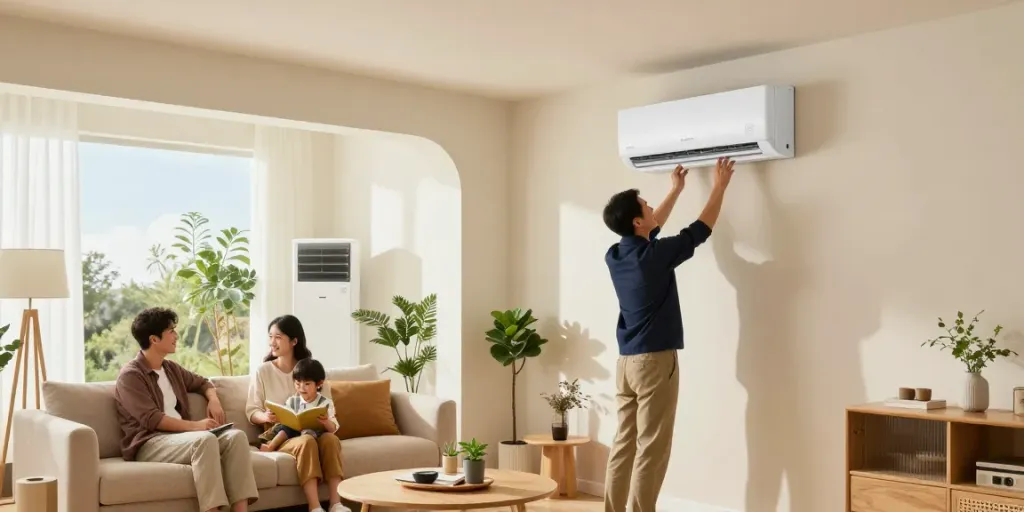
Understanding Mini Split AC Systems
In recent years, mini split AC systems have gained immense popularity among homeowners and businesses alike. These compact, efficient systems offer unparalleled flexibility in cooling and heating, making them an attractive alternative to traditional HVAC setups. Understanding the mechanics of mini split ACs, along with their benefits and applications, is crucial for making an informed decision when considering climate control solutions for your space.
When exploring options, mini split ac provides comprehensive insights into selecting the right unit for your specific needs.
What is a Mini Split AC?
A mini split AC is a ductless air conditioning system that features an indoor and outdoor unit. The indoor unit is compact and designed to be mounted on a wall, while the outdoor unit contains the compressor and condenser. This arrangement allows for efficient temperature regulation without the need for extensive ductwork. Mini split systems can provide both cooling and heating, making them versatile solutions for year-round comfort.
How Mini Split AC Systems Work
Mini split AC systems operate using a refrigerant that circulates between the indoor and outdoor units. When activated, the outdoor unit absorbs heat from the outside air and transfers it to the refrigerant. The refrigerant then flows to the indoor unit, where the heat is released, cooling the air inside. In heating mode, the process is reversed, extracting heat from the outside air and bringing it indoors, demonstrating remarkable efficiency even in low temperatures.
Benefits of Choosing Mini Split AC Over Traditional Cooling
- Energy Efficiency: Mini split systems are highly rated for their energy efficiency, often achieving SEER ratings of 20 or higher, which can lead to substantial savings on energy bills.
- Flexible Installation: Without the need for ductwork, installation is less invasive and can be completed more quickly than traditional systems.
- Individual Zone Control: Mini split systems allow for the cooling and heating of specific areas, providing tailored comfort based on individual preferences.
- Quiet Operation: These systems operate at low noise levels compared to conventional systems, ensuring a peaceful indoor environment.
Cost Analysis of Mini Split AC Installation
Initial Purchase and Installation Costs
When considering a mini split AC system, the initial purchase and installation costs can vary widely based on several factors, including the brand, capacity, and the number of indoor units. On average, homeowners can expect to pay between $3,000 and $5,000 for a complete system, including installation. Additional expenses may arise if electrical upgrades or modifications to the home structure are needed.
Long-Term Savings on Energy Bills
One of the most significant advantages of installing a mini split AC system is its potential to reduce energy consumption. Due to their high energy efficiency ratings, mini splits often use considerably less electricity than traditional HVAC systems, resulting in significant savings over time. Homeowners have reported up to a 30% reduction in their cooling bills, making it a worthwhile investment for those looking to lower their long-term energy costs.
Financing and Incentives for Homeowners
To help offset the initial costs associated with purchasing and installing a mini split AC system, various financing options and incentives may be available. Many utility companies offer rebates and tax credits for energy-efficient systems. Additionally, homeowners can explore financing plans that provide low-interest loans, allowing them to spread the cost of the system over time.
Common Misconceptions About Mini Split ACs
Are Mini Split ACs Noisy?
One common misconception is that mini split AC systems generate considerable noise. However, most modern units are designed to operate quietly, with sound levels typically ranging between 19 to 47 decibels, comparable to a whisper. This makes them suitable for bedrooms and other quiet spaces.
Comparative Efficiency with Central Heating and Cooling
While central air conditioning systems serve multiple rooms through ductwork, they often waste energy conditioning unoccupied areas. In contrast, mini splits offer targeted cooling and heating, leading to more efficient energy use and potentially lower utility bills. Moreover, without ducts, mini splits eliminate the energy loss associated with ductwork.
Installation Complexity and DIY Potential
Many homeowners assume that installing a mini split AC system is too complex to undertake without professional help. While it's advisable to hire certified technicians for installation to ensure optimal performance and compliance with local codes, some DIY-friendly models are designed for easier assembly. Proper training and knowledge are essential to avoid costly mistakes.
Real-World Applications and Case Studies
Residential Success Stories of Mini Split AC Use
Across various residential settings, homeowners have successfully integrated mini split AC systems to enhance comfort and reduce energy costs. For example, a family in a two-story home with over 2,000 square feet opted for a multi-zone mini split system. They reported improved comfort on both levels, along with a noticeable decrease in energy bills after the installation.
Comparative Performance in Different Climates
The performance of mini split AC systems varies based on climate conditions. In warmer regions, these systems effectively cool spaces, while in colder climates, their heating capabilities become essential. Some manufacturers even produce models rated for extreme cold, making them suitable for areas with harsh winters.
Expert Insights from HVAC Professionals
Industry experts emphasize the importance of correctly sizing and installing a mini split AC system. An improperly sized unit can lead to inadequate cooling or heating, increased energy consumption, and reduced system lifespan. Professional assessments often include evaluating the insulation, square footage, and sun exposure of the home.
Future Trends in Mini Split AC Technology
Innovations to Look For in 2026
As technology evolves, mini split AC systems are likely to incorporate advanced features such as enhanced smart home integration, improved energy efficiency, and eco-friendly refrigerants. Innovations such as variable-speed compressors and advanced filtration systems can further enhance performance while reducing environmental impacts.
Integrating Smart Home Technology
The trend towards smart home technology continues to grow, and mini split ACs are no exception. Many new models now feature Wi-Fi connectivity, allowing users to control their systems remotely via smartphone apps. This capability provides homeowners with the convenience of adjusting settings while away from home, optimizing energy use and comfort.
Environmental Impact and Sustainability Considerations
As environmental concerns rise, manufacturers are increasingly focused on creating sustainable mini split AC systems. This includes employing refrigerants with lower global warming potential and enhancing the energy efficiency of units. Consumers are encouraged to choose models that meet energy efficiency certifications.
What Maintenance Practices Keep Mini Splits Efficient?
To ensure long-lasting performance, regular maintenance of mini split AC systems is essential. Homeowners should clean or replace filters at least every three months, check for refrigerant leaks, and keep the outdoor unit free from debris. Scheduling professional maintenance annually can also help identify potential issues early, preventing costly repairs down the line.
Are Mini Splits Suitable for Older Homes?
Mini split AC systems can be an excellent choice for older homes, especially those without existing ductwork. Their ductless design allows for efficient cooling and heating in spaces that may be challenging to retrofit with traditional systems. Additionally, since installation is less invasive, mini splits minimize disruption to the home.
What is the Average Lifespan of a Mini Split AC System?
With proper care and maintenance, a mini split AC system can last anywhere from 15 to 20 years. Regular upkeep, including filter changes and professional assessments, is crucial in extending the lifespan of the unit and ensuring optimal performance.
How to Choose the Right Size Mini Split for Your Space?
Selecting the appropriate size for a mini split AC system is essential for achieving maximum efficiency and comfort. Homeowners should consult with HVAC professionals who can conduct a load calculation, taking into account factors such as the square footage, layout, insulation quality, and local climate conditions.
What to Do When Your Mini Split AC Fails?
If a mini split AC system fails to operate correctly, homeowners should first check the power supply and ensure that the unit is receiving adequate electricity. If the issue persists, contacting a licensed HVAC technician for diagnosis and repair is advisable. Common problems may include refrigerant leaks, faulty electrical connections, or compressor issues.