
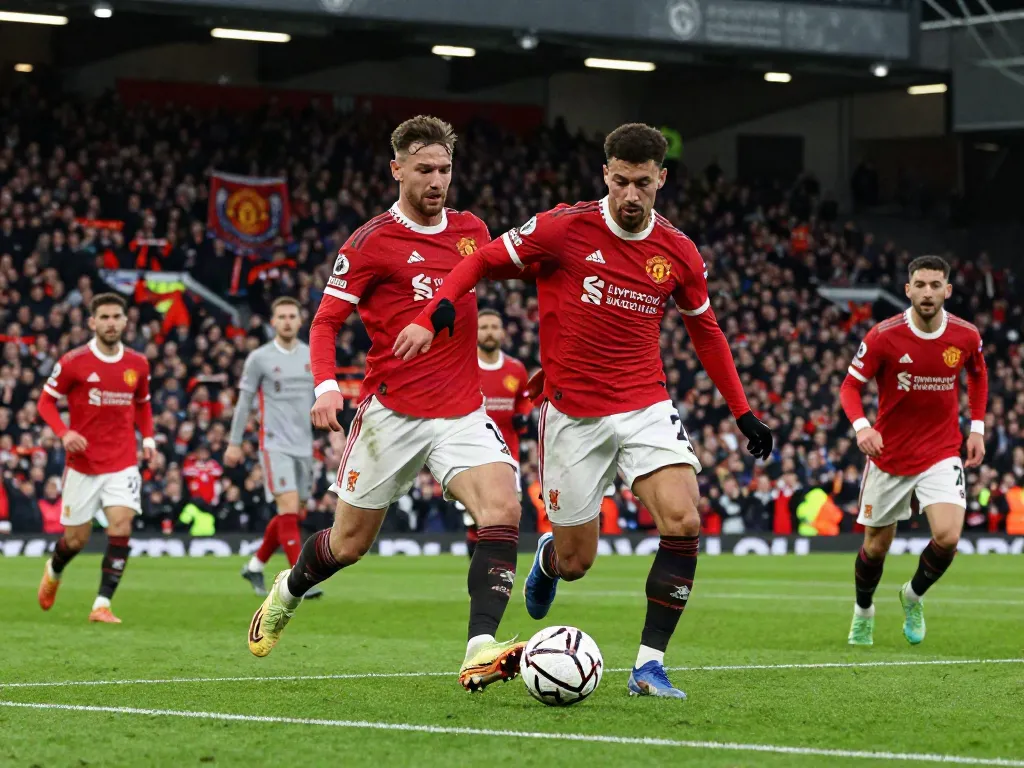
The Epic Rivalry: Manchester United vs Liverpool
The rivalry between Manchester United and Liverpool is not just a sports competition; it embodies historical, cultural, and emotional narratives that resonate with millions of fans around the globe. Originating in the late 19th century, this fierce clash transcends the boundaries of mere football—the outcomes of their encounters often intertwine with the pride and identities of their supporters. Throughout the decades, fans have passionately debated the merits of their respective teams, leading to an ever-evolving saga filled with triumphs, heartbreaks, and unforgettable moments. For those keen to delve deeper into the fascinating statistics and significant milestones that have defined this epic rivalry, แมนยู กับ ลิเวอร์พูล offers a comprehensive database of all match histories and achievements.
Historical Context of the Rivalry
The roots of the Manchester United and Liverpool rivalry can be traced back to their geographical and industrial roots. Located approximately 35 miles apart in the North West of England, both clubs emerged during the industrial revolution, when both cities were thriving with trade and commerce. As industrial powerhouses, the clubs quickly developed a loyal following, with their matches transforming into a battleground that symbolized regional pride.
In the early years, the rivalry was marked by competitive spirit, as Liverpool dominated the late 19th and early 20th century with league titles. However, the landscape shifted dramatically in the 1960s under the stewardship of legendary managers like Bill Shankly at Liverpool and Matt Busby at Manchester United. Their contrasting football philosophies laid the groundwork for generations of fierce competition.
Significant Moments in History
The rivalry has witnessed numerous unforgettable moments, including Liverpool's dramatic 4-0 victory in 1994 and Manchester United's resounding 6-1 win in 1928, one of their largest victories against Liverpool. Each match brings a fresh wave of excitement and anticipation, with players creating their own legacies through pivotal performances. For instance, Eric Cantona's iconic goal in 1996 and his subsequent celebration became etched in football folklore, showcasing the intense rivalry and the high stakes of these encounters.
Fan Culture and Loyalty
The passionate fan culture surrounding both clubs is a hallmark of English football. The deeply embedded loyalty among fans spans generations, with families often divided in their allegiance. On match days, the atmosphere at Old Trafford and Anfield is electric, reflecting the longstanding animosity and rivalry. Chants echo through the stands, creating a cacophony of support that fuels the players on the pitch. This commitment to their teams exemplifies the rich tapestry of football culture in England, where loyalty is paramount.
All-Time Statistics Comparison
Total Matches Played: Who Leads?
As of 2026, Manchester United and Liverpool have clashed in a staggering 218 matches across all competitions. Interestingly, Manchester United holds a slight edge with 92 victories compared to Liverpool's 82 wins. The remaining matches resulted in draws, demonstrating how closely matched these two teams are historically. This ongoing battle for supremacy fuels the competitive spirit embedded in the rivalry.
Goals Scored: An In-Depth Analysis
Throughout their encounters, Manchester United has scored a total of 296 goals against Liverpool, while Liverpool trails closely behind with 294 goals. The difference of just two goals highlights the evenly matched prowess in scoring between these two teams. Fans recall iconic goals that not only define matches but also encapsulate the very essence of the rivalry. From stunning long-range efforts to last-minute winners, these goals form the backbone of the contest's rich history.
Winning Percentage Overview
Examining the winning percentages provides further insight into the rivalry's dynamics. With Manchester United's overall winning percentage hovering around 42% and Liverpool's at 38%, it is evident that both clubs have periods of dominance. This statistical perspective showcases the fluctuating fortunes and evolving strengths of each team over time.
A Trophies Showdown: Achievements of Both Clubs
Major Honors and Trophies Won
When it comes to accolades, Liverpool currently leads with 52 major trophies, including 20 league titles, 6 European Cups, and 8 FA Cups. In contrast, Manchester United boasts 47 major trophies, comprising 20 league titles, 3 European Cups, and 13 FA Cups. However, this comparison becomes even more competitive when examining recent times, as both clubs aspire to close the gap in honors.
Comparative Analysis of Domestic Titles
Both clubs have achieved significant success within English football, but there are emphatic narratives surrounding their domestic title wins. Liverpool's historic dominance in the 1970s and 80s contrasts against Manchester United's success in the 1990s and early 2000s, when Sir Alex Ferguson reshaped the club's fortunes. Each era has its defining moments, and the rivalry remains vibrant as both clubs continue to chase league glory.
International Achievements
Internationally, both teams have made their mark in European competitions. Liverpool's six European Cups are a testament to their prowess on the continental stage, while Manchester United's three European victories underline their identity as one of the elite clubs in Europe. The quest for further European honors fuels the rivalry and adds layers of intrigue to their encounters.
Current Team Performance and Trends
Recent Match Results and Analysis
The latest matches reflect a shift in competitive dynamics, and both teams are focused on revitalizing their squads. As of 2026, the most recent fixture ended in a closely contested draw, further demonstrating the balance of power between these two English giants. Analysts point to key performances, tactical adjustments, and standout individual contributions that can often decide the outcome of these crucial games.
Player Contributions and Key Statistics
Player contributions remain pivotal in the ongoing rivalry. Stars like Marcus Rashford for Manchester United and Mohamed Salah for Liverpool have consistently influenced the games with their goal-scoring instincts and playmaking abilities. Their statistics, including goals and assists, highlight their impact in defining the outcome of matches and showcase their importance in each team's strategy.
Injury and Squad Management Insights
Injuries and squad management strategies also play a crucial role in shaping the narrative. Teams often rotate players to maintain fitness levels and adjust tactics based on opposition strength. As both clubs aim to balance domestic and European commitments, these decisions could play a pivotal role in upcoming encounters.
What Lies Ahead: Future of the Rivalry
Emerging Players to Watch in 2026
The future of the rivalry promises excitement as emerging talents continue to shape both squads. Players like Jadon Sancho for Manchester United and other rising stars for Liverpool are set to become key figures. Their development will undoubtedly add fresh dynamics to the ongoing rivalry.
Predictions for Upcoming Matches
As the calendar progresses, predictions for upcoming matches remain high on the agenda. With the next encounter set to create more memorable moments, fans eagerly anticipate which side will assert its dominance. Factors such as form, tactical approaches, and psychological aspects will influence how these matches unfold.
Impact of Managerial Strategies on Future Outcomes
Managerial strategies also significantly affect the outcomes of key matches. With experienced tacticians at the helm, both clubs are looking to implement styles that play to their strengths while exploiting opponents' weaknesses. The respective managerial philosophies could shape the future direction of their rivalry as both squads evolve.
What is the Future of Fans' Engagement?
Lastly, as the rivalry continues to flourish, the nature of fan engagement is evolving. With advancements in technology and social media, supporters now interact with their clubs and fellow fans more dynamically than ever. This evolution will enhance the atmosphere surrounding matches and further embed the rivalry within the cultural fabric of football.