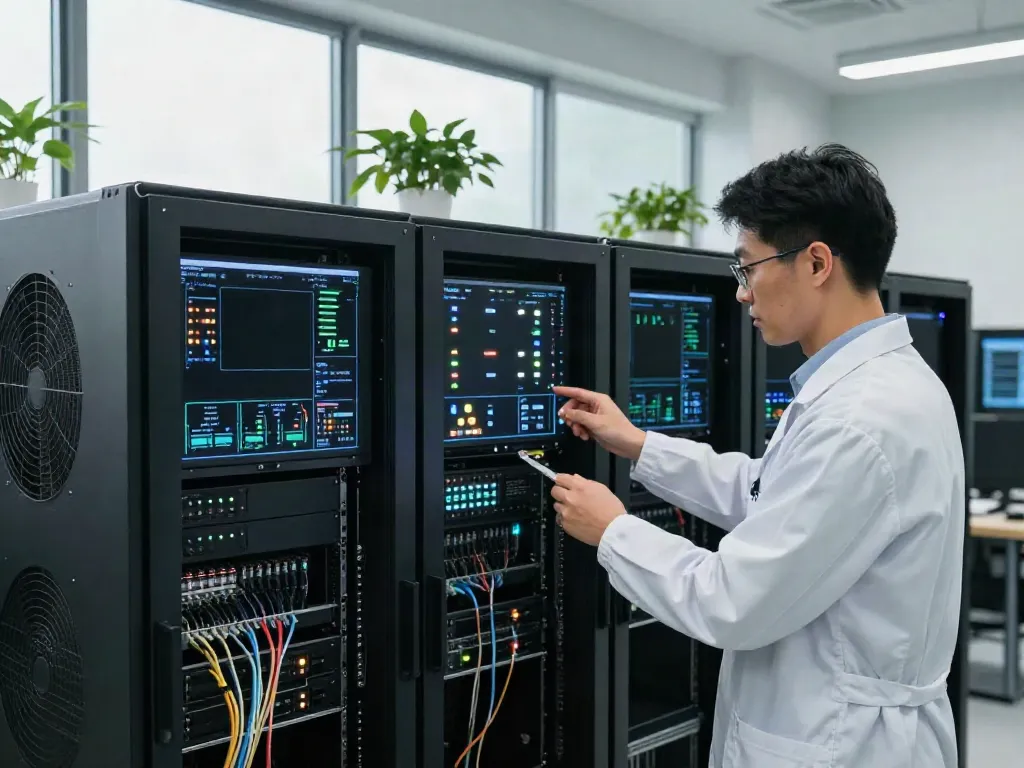
Understanding AI Infrastructure: The Backbone of Modern AI Solutions
In the ever-evolving landscape of artificial intelligence, the significance of robust AI infrastructure cannot be overstated. It serves as the foundation for developing, deploying, and managing AI models effectively. As organizations strive to harness the power of AI for various applications, understanding the intricacies of AI infrastructure becomes crucial. This article aims to dissect the key components of AI infrastructure, explore its role within the AI token economy, and provide insights into how individuals can actively participate in this transformative ecosystem.
What is AI Infrastructure?
AI infrastructure encompasses the hardware and software systems required to support AI workloads. This includes a range of components such as high-performance computing resources, data storage solutions, and networking capabilities. In essence, AI infrastructure is not just about technology; it's about creating an ecosystem that enables AI applications to function smoothly and efficiently. From data centers to cloud platforms, the right infrastructure is vital for scaling AI applications and ensuring accessibility for developers and businesses alike.
Key Components of AI Infrastructure
- Hardware: This includes GPU and TPU units that provide the necessary computing power for training AI models. A well-designed hardware setup can significantly enhance performance and reduce training times.
- Software: Advanced software frameworks and libraries like TensorFlow, PyTorch, and Kubernetes are essential for managing AI workloads and facilitating collaboration among different teams.
- Data Storage: Efficient data management solutions, including databases and data lakes, help ensure that AI models can access the vast amounts of data they require for training and inference.
- Networking: Fast and reliable networking infrastructure is crucial for connecting various components of AI systems, especially in cloud-based environments where distributed computing is common.
The Role of Power in AI Infrastructure
Power is a fundamental component of AI infrastructure. It fuels the servers that process computations and the cooling systems that maintain optimal operating conditions for hardware components. Efficient power management can enhance the performance of AI systems while minimizing operational costs. Moreover, as AI applications scale, the demand for electricity increases, emphasizing the need for sustainable and renewable energy solutions that support AI infrastructures without compromising the environment.
Participation in the AI Token Economy
The AI token economy represents a new paradigm where participants engage in AI infrastructure through token-based systems. By contributing to the power and computing capacity of AI factories, individuals and organizations can earn rewards based on their contributions. This model encourages collaboration and innovation within the AI ecosystem, allowing more stakeholders to benefit from advancements in AI technology.
How to Get Involved in AI Infrastructure
Getting involved in AI infrastructure can be simple and accessible, especially through platforms like 51 AIpower. Individuals can choose from various AI infrastructure power plans, allowing them to support AI factory operations without the need for extensive technical knowledge or investment in physical infrastructure. Participants can start small and scale their contributions over time as they become more comfortable with the ecosystem.
Your Role in AI Factory Operations
Each participant plays a vital role in supporting AI factory operations. By selecting a suitable power plan, individuals contribute to the energy that powers AI workloads and, in return, can receive rewards based on performance. This gives participants a tangible stake in the success of the AI models being deployed and ensures that the infrastructure remains robust and responsive to demand.
Calculating Rewards from AI Contribution
Calculating rewards from contributions involves tracking the electricity supported by each participant’s power plan and correlating it to the operational performance of AI workloads. The process typically includes recording all relevant token activity associated with the computing tasks being supported. By using a transparent reward calculation system, participants can see a direct link between their contributions and their earned rewards, fostering trust and encouraging a stronger commitment to the ecosystem.
Evaluating Power Plans for AI Operations
When it comes to participating in the AI token economy, selecting the right power plan is pivotal. Each plan is tailored to meet different power needs and operational objectives, making it essential for participants to understand their options thoroughly.
Choosing the Right Power Plan for Your Needs
Power plans vary in terms of capacity, efficiency, and scalability. Participants should assess their specific requirements, such as their desired level of engagement and potential power consumption. Factors like the type of AI workloads they wish to support should influence their decision-making process, ensuring they choose a plan that aligns with their goals.
Scalable Infrastructure Options: Core, Enhanced, and Advanced
AI infrastructure power plans generally fall into several tiers, each providing different levels of service:
- Core Power Access: Ideal for individuals or small businesses looking to explore AI infrastructure with limited commitment.
- Enhanced Power Access: Suitable for users requiring more power support and seeking to enhance their AI operations significantly.
- Advanced Power Access: Designed for businesses with substantial AI workloads that require high-capacity and high-efficiency power systems.
Understanding Workload-Based Power Allocation
Workload-based power allocation ensures that the energy supplied aligns with the specific demands of AI operations. This approach optimizes energy usage across various AI workloads, minimizing waste and improving overall operational efficiency. By aligning power usage with actual computational needs, AI infrastructure can operate in a more sustainable and cost-effective manner.
Building a Complete AI Infrastructure Ecosystem
Creating a comprehensive AI infrastructure is about more than just technology; it’s about fostering collaboration among various stakeholders, including power providers, AI infrastructure operators, and consumers. This holistic approach is essential for maximizing the potential of AI applications and ensuring a sustainable future for AI technologies.
Global AI Power Networks: A Collaborative Approach
AI infrastructure is increasingly becoming a global effort, with networks emerging that connect power resources and AI operations across different regions. This collaborative approach not only increases the availability of power but also enhances resilience by diversifying energy sources. These global networks will play a pivotal role in supporting the rising demand for AI capabilities.
Integrating Power with GPU Computing
The integration of power supply with GPU computing is critical in ensuring that AI models can run effectively. As AI applications grow more complex, the need for high-performance computing resources will only intensify. Power networks must be designed to support this demand, providing scalable solutions that can adapt to evolving AI workloads without compromising performance.
Real-World Examples of Successful AI Infrastructure Ecosystems
Across the globe, several organizations and initiatives demonstrate the effectiveness of integrated AI infrastructure. Companies utilizing renewable energy to power data centers for AI applications have successfully reduced their carbon footprint while maintaining performance. These case studies highlight the potential for sustainable AI ecosystems that can serve as models for future developments.
Future Trends in AI Infrastructure for 2026 and Beyond
As we look to the future, the advancements in AI infrastructure will likely have significant implications for various industries. Staying informed about these trends is essential for organizations that want to leverage AI technologies effectively.
Emerging Technologies in AI Infrastructure
The landscape of AI infrastructure is continuously evolving, with emerging technologies poised to reshape how AI applications are developed and deployed. Innovations in edge computing, for instance, can enhance real-time processing capabilities by bringing computing closer to data sources, reducing latency and bandwidth demands.
Changes in Energy Markets Impacting AI Operations
Fluctuations in energy markets will also impact AI infrastructure strategies. As energy costs rise or fall, organizations will need to adjust their operational strategies to maintain profitability. Emphasizing energy efficiency and sustainability will become increasingly important as regulations around carbon emissions tighten.
Predictions for AI Infrastructure Development
By 2026, we can expect a significant increase in AI infrastructure investments as businesses recognize the importance of AI in driving growth. This investment will likely lead to more sophisticated power management systems and greater reliance on renewable energy, fostering a more sustainable AI ecosystem overall.
What Will Be the Impact of AI Infrastructure on Industry?
The implications of advanced AI infrastructure will reach across various industries, transforming how businesses operate. With enhanced capabilities for data analysis and decision-making, organizations will be better positioned to respond to market changes and consumer preferences. This shift will not only improve operational efficiency but also drive innovation across sectors.