
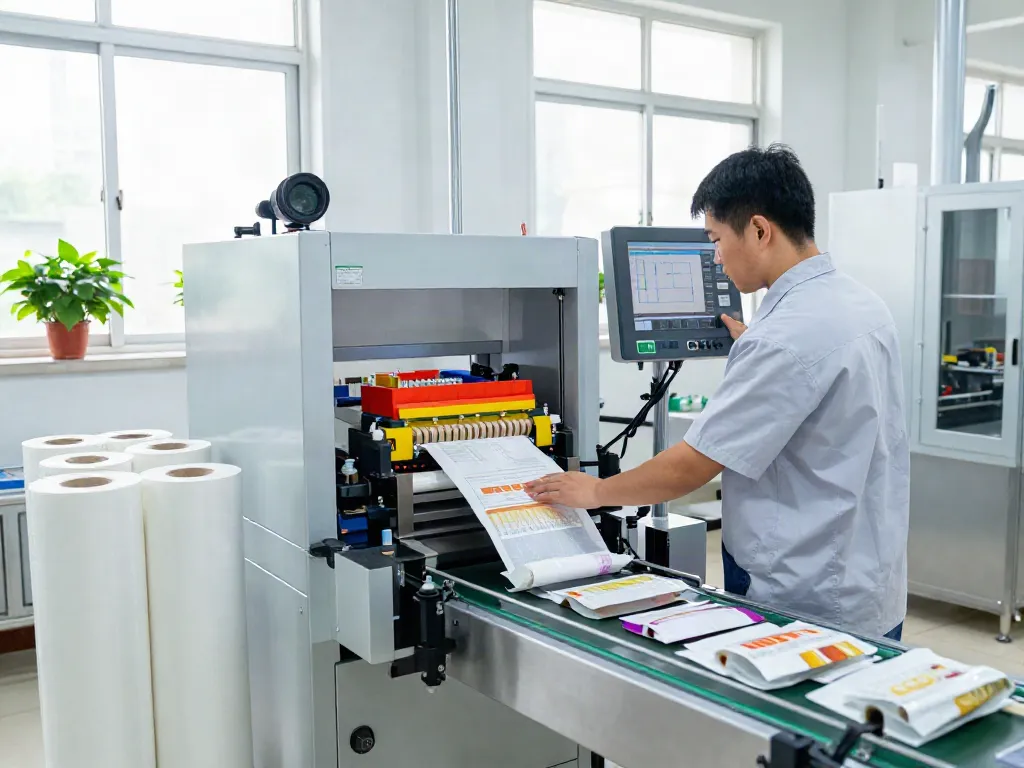
Understanding Packaging Machinery: An Overview
As industries evolve and consumer demands become increasingly sophisticated, the role of packaging machinery has never been more crucial. Packaging isn't just about containment; it's an integral part of marketing, supply chain logistics, and product safety. In the realm of manufacturing, a reliable packaging machinery supplier can significantly influence a company's operational efficiency and output quality. This article explores the foundational elements of packaging machinery, the importance of selecting the right supplier, and the myriad benefits of investing in advanced packaging solutions.
What is a Packaging Machinery Supplier?
A packaging machinery supplier is a company that specializes in providing the machinery and systems required for packaging products across various industries. These suppliers often offer a range of products, including filling machines, capping machines, labeling machines, and complete packaging lines that integrate multiple stages of the packaging process. They not only sell equipment but also provide support services such as installation, training, and maintenance, ensuring that clients can maximize productivity and reduce downtime.
The Role of Packaging in Modern Manufacturing
Modern manufacturing has shifted from traditional methods to highly automated processes that demand precision and efficiency. Packaging serves multiple critical functions within this framework:
- Protection: Ensures products are safeguarded against damage during transit and storage.
- Compliance: Meets regulations applicable to various industries, particularly in food and pharmaceuticals.
- Marketing: Enhances product appeal through innovative designs and branding.
- Logistics: Streamlines shipping and handling processes, making it easier to store and transport products.
As a result, the effective integration of packaging systems can lead to significant enhancements in overall production efficiency.
Types of Packaging Machinery Explained
Understanding the types of packaging machinery available is essential for businesses looking to optimize their operations. Common categories include:
- Open-Mouth Bagging Machines: Ideal for packaging bulk products like grains, animal feed, and chemicals.
- Form-Fill-Seal (FFS) Machines: These machines create bags from rolls of film, fill them with the product, and seal them, all in one continuous operation.
- Cartoning Machines: Used for placing products into cartons, ideal for food and consumer goods.
- Labeling Machines: Essential for product identification and compliance with regulations.
By familiarizing themselves with these types, manufacturers can make more informed decisions tailored to their specific packaging needs.
Key Considerations When Choosing a Supplier
Assessing Supplier Experience and Reputation
When selecting a packaging machinery supplier, experience and reputation are pivotal. A supplier with a robust track record in the industry likely understands the complexities and nuances of packaging requirements in various sectors. Additionally, customer reviews, case studies, and testimonials can provide valuable insights into a supplier's reliability and the quality of their offerings.
Evaluating Technology and Equipment Quality
The quality of machinery can greatly impact production lines. Suppliers that utilize the latest technology tend to offer more efficient and reliable equipment. It's wise to consider factors such as warranty coverage, technology upgrades, and the availability of spare parts when evaluating machinery.
Understanding Pricing Structures and Contracts
Pricing is always a critical consideration. Suppliers may offer different pricing structures—some may provide upfront costs while others may focus on long-term leasing options. Understanding the total cost of ownership, including maintenance and operational expenses, is necessary to make a financially sound decision.
Benefits of Advanced Packaging Solutions
How Efficient Machinery Reduces Operational Costs
Investing in advanced packaging machinery can lead to significant cost savings. More efficient machines can handle higher production volumes, reducing labor costs and minimizing errors. For instance, automated bagging lines can decrease the time taken for packaging operations and reduce material waste.
The Impact of Customization on Productivity
Customization is another critical benefit. Tailored packaging solutions can improve operational efficiency, maximizing space and ensuring a perfect fit for various products. Packaging machinery suppliers that offer customization options can help businesses adapt to changing market demands swiftly.
Enhancing Product Shelf Life through Quality Packaging
The right packaging not only protects products but can also enhance their shelf life. Advanced sealing technologies and materials that provide barriers against moisture and oxygen can significantly prolong the freshness of food items, thereby improving customer satisfaction and reducing waste.
Common Challenges in Packaging Operations
Identifying Bottlenecks in Production Processes
Bottlenecks can severely affect production efficiency. Regular assessments of the packaging process can help identify these issues. Common bottlenecks may include machinery malfunctions, untrained staff, or improper workflow layouts.
Maintenance and Upkeep of Packaging Machinery
The longevity of packaging machines heavily depends on regular maintenance. Scheduled servicing and timely repairs can prevent unexpected downtimes and extend the life of the equipment. It's wise to choose suppliers who offer comprehensive support and maintenance services.
Adapting to Evolving Industry Standards and Regulations
As regulations change, businesses must stay compliant. This may involve adjustments to packaging materials and processes. Selecting a supplier that keeps up with industry standards ensures that businesses can adapt without significant disruptions.
Future Trends in Packaging Machinery for 2026 and Beyond
Innovations in Smart Packaging Technology
The future of packaging machinery lies in smart technology. IoT-enabled devices can provide real-time data and analytics, helping manufacturers optimize their operations and predict maintenance needs. This proactive approach to management will enable better decision-making and increase efficiency.
The Shift Towards Sustainable Packaging Solutions
Environmental concerns are driving a trend towards sustainable packaging solutions. Manufacturers are increasingly looking for biodegradable materials and processes that reduce waste. Suppliers who can provide eco-friendly options will have a competitive advantage in the marketplace.
Emerging Automation Trends in Packaging Operations
Automation is set to revolutionize packaging operations even further. From robotic arms that sort and pack products to fully automated packaging lines, the industry is trending towards solutions that minimize human intervention while maximizing efficiency.
What are the latest developments in packaging technology?
Recent developments include advancements in machine learning to enhance production line efficiency and innovations in bioplastics that replace traditional materials. Keeping abreast of these developments can help businesses remain competitive.
How do packaging suppliers ensure quality control?
Quality control is maintained through rigorous testing of machinery and processes. Reputable packaging machinery suppliers implement strict quality assurance protocols to verify equipment performance before delivery.
What future trends should operators watch for in 2026?
Operators should keep an eye on the integration of AI in packaging logistics and the growing trend of customization as consumers demand more personalized products. Innovations in sustainability will also be pivotal.
How can businesses optimize their packaging processes?
Optimization can be achieved through a combination of advanced machinery, continuous training, and regular reviews of existing processes. Collaborating with a knowledgeable supplier can provide further insights into effective practices.
What are the cost implications of upgrading machinery?
While upgrading machinery often requires a significant investment, the long-term savings on operational costs, enhanced efficiency, and reduced errors can outweigh the initial expenses. Analysis of total cost versus benefits is vital in making these decisions.